
RV Classes 101
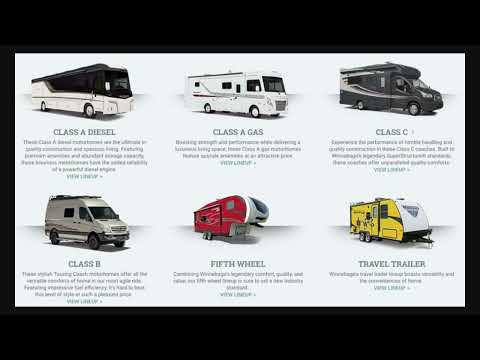
I get asked all the time what kind of camper we have, and I hear the same confusion over and over: camper, trailer, RV, Class A, Class C, fifth wheel... what is the actual difference?
This is the straightforward breakdown I give friends and family when they are trying to pick their first setup. We have a travel trailer ourselves, so I will also share what has worked for us.
Watch the Video
BLUF: Start Here
- Class A, B, and C are motorized RVs.
- Fifth wheels and travel trailers are towable RVs.
- Bigger is not always better; your route style matters as much as floorplan.
- Our family runs a travel trailer because it gives us the right balance of space, cost, and flexibility.
The Main RV Types
Class A Diesel
These are the bus-style rigs. They are huge, have major storage, and can tow a small vehicle behind them. You usually get premium interiors and lots of capacity, but they are expensive to buy and maintain.
Class A Gas
Similar layout idea to diesel Class A, usually smaller and less complex. You still get a drivable coach experience with a wide range of luxury levels, from practical to high-end.
Class C
Built on a van or truck-style front end with a cab-over section. They are generally easier to manage than a large Class A and still give solid sleeping and living space. Great middle ground for many families.
Class B
Van-based RVs. Most maneuverable of the motorized categories and great for one or two people, especially if you want to stay mobile and get to tighter spots. Tradeoff is tank size and interior room.
Fifth Wheel
Largest of the common towables. They use a bed-mounted hitch in the truck, carry a lot of space, and often include multiple slides. Awesome for longer stays, but they demand a capable tow vehicle and bigger campsite planning.
Travel Trailer
This is what we run. They hitch to the rear of the tow vehicle, come in a wide range of sizes, and are usually more accessible for new RV families. Less cost and less complexity than many larger options, while still giving plenty of useful layouts.
Two Other Types You Will See
- Teardrop trailers: small, lightweight, and easy to tow with smaller SUVs.
- Truck-bed campers: slide into the pickup bed and let you detach the truck when parked.
What Works for Our Crew
With five people and two dogs, we need sleeping flexibility and a layout that does not feel cramped when weather turns. Our travel trailer gives us that without jumping into Class A pricing and maintenance.
Bottom line: pick the RV that matches how you actually travel, not just what looks impressive on a lot. If you want help narrowing your options, hit me up in comments or on social and I will help however I can.